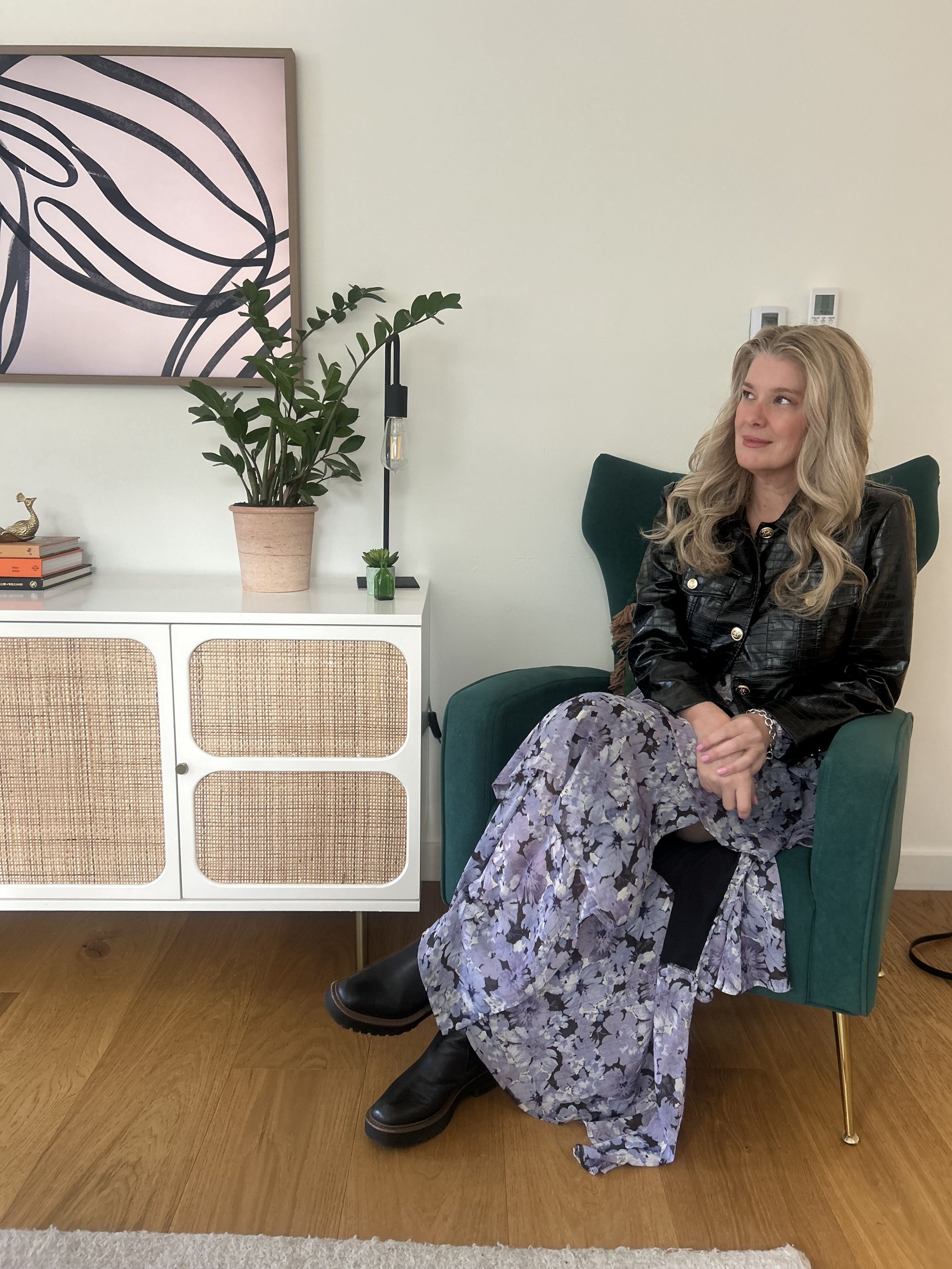
Dr. Sharrott is highly trained in the following evidence-based approaches, among others:
Cognitive Behavioral Therapy (CBT) offers a structured, evidence-based approach to help you change that.
CBT focuses on identifying and reshaping the thought patterns, emotional responses, and behaviors that drive anxiety, stress, and relationship challenges. This work is particularly effective for individuals who are accustomed to discipline, feedback, and measurable progress—whether in business, athletics, creative performance, or other demanding fields.
Clients often come in ready to:
Reduce anxiety and high-functioning stress
Gain control over intrusive thoughts and overthinking
Navigate parenting demands with greater clarity and emotional regulation
Break unhelpful relationship patterns
Strengthen mental resilience and consistency under pressure
Process and reframe past experiences that continue to impact the present
This is collaborative, active work. You bring insight, motivation, and a high standard for yourself. Therapy meets you there—with tools that are practical, discreet, and effective.
Psychodynamic Psychotherapy, also evidence based, focuses on understanding the underlying forces shaping those patterns.
This approach explores how early experiences, unconscious processes, and long-standing relational templates influence how you think, feel, and relate today. Rather than focusing only on symptoms, the work goes deeper—helping you gain clarity around why certain patterns exist, and how to shift them at their root.
This is especially valuable for individuals accustomed to high performance—whether in business, athletics, or creative fields—who recognize that deeper self-awareness can translate into greater emotional flexibility, stronger relationships, and a more integrated sense of self.
Clients often come in ready to:
Understand and change recurring relationship patterns
Explore the roots of anxiety, emotional reactivity, or internal conflict
Process unresolved or complex trauma at a deeper level
Examine identity, meaning, and long-term life direction
Strengthen self-awareness and emotional insight
Move beyond surface-level coping toward lasting internal change
This is thoughtful, exploratory work. It unfolds over time, with attention to nuance, patterns, and the therapeutic relationship itself. The goal is not just symptom relief—but a more coherent, grounded, and authentic way of experiencing yourself and others.